



Why Does Cardio Stop Working After a Few Weeks?
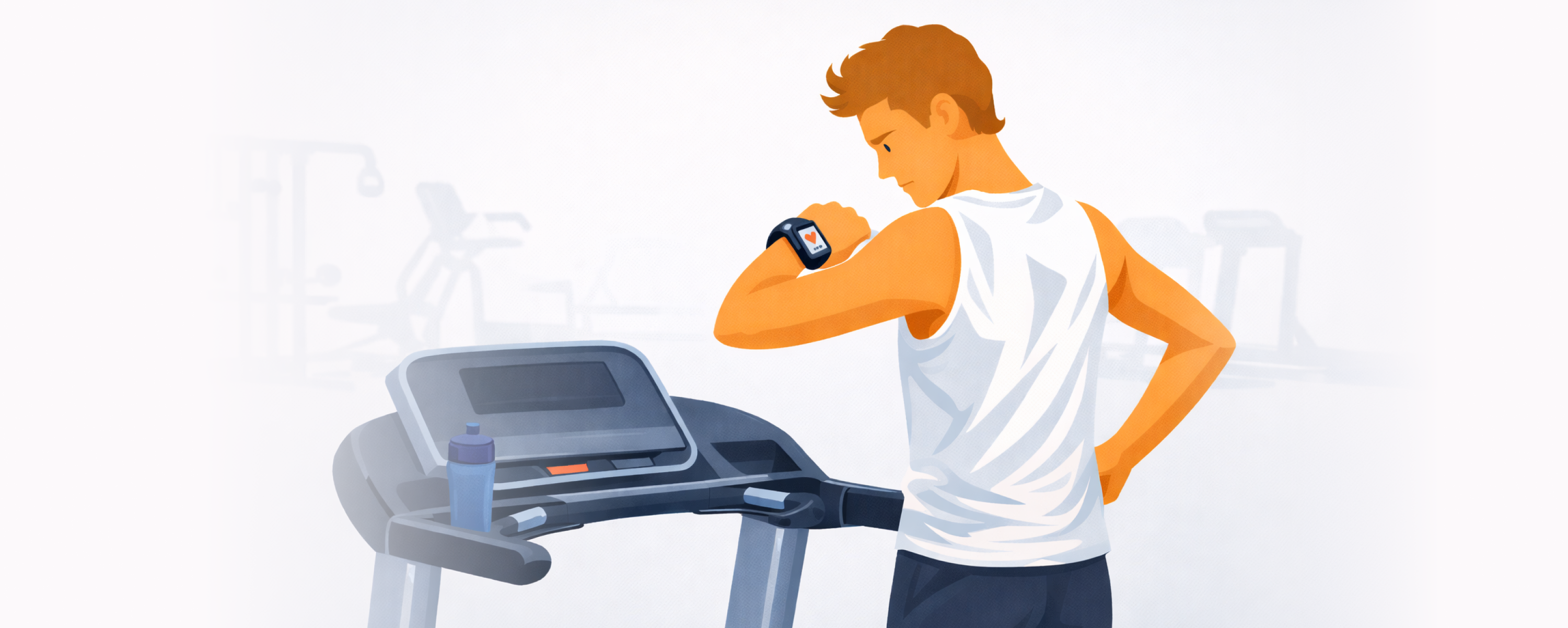
If you’ve ever finished a run and stared at your watch like it personally betrayed you, you’re not alone.
The first time you started doing cardio, the numbers felt almost magical. A 30-minute jog could burn 400 calories. A spin class felt like a cheat code. You’d step off the treadmill drenched, exhausted, and weirdly proud of how much “damage” you just did.
But then something happens.
A few weeks (or months) into your routine, you repeat the same workout… and the calorie number drops. The same pace. The same time. The same effort. But now it says 280 instead of 400.
And that’s when the panic sets in.
Did your metabolism slow down? Did your body “adapt”? Is cardio suddenly not working anymore?
The truth is simpler: your cardio isn’t broken. Your body just got better at it.

Why Repeated Cardio Burns Fewer Calories Over Time
The human body adapts quickly. When you repeat the same movement at the same intensity repeatedly, your body learns how to do that work with less wasted energy.
This is called exercise efficiency.
Research backs this up. A study published in The Journal of Applied Physiology found that after endurance training, participants required less oxygen and expended less energy to perform the same physical task compared to before training. In simple terms, their bodies learned how to do more with less.
This happens for a few reasons:
-
Your muscles fire in a more coordinated way
-
Your heart delivers oxygen more effectively
-
Your nervous system improves movement patterns
The end result is fewer calories burned for the same workout.
That doesn’t mean your workout stopped being useful—It means your fitness has improved.
This Is the Point of Exercise
It can be frustrating to see your calorie burn go down, but this change is actually the goal of training.
A more efficient cardiovascular system brings benefits like:
-
Lower heart rate at the same pace
-
Better endurance with less fatigue
-
Faster recovery between workouts

According to a large population meta-analysis done in 2024, these changes are strongly linked to better long-term health outcomes, including improved cardiovascular health and lower overall mortality risk.
From a health perspective, your cardio is doing exactly what it should.
Where the Frustration Comes From
Problems often come up when you use cardio as your main cardio deficit tool.
Early on, cardio can be more effective for fat loss because:
-
Calorie burn is high relative to fitness level
-
Workouts feel challenging
-
Energy expenditure jumps quickly
But once your body adapts, the math changes.
Your cardiovascular system gets stronger. Your movement becomes smoother. Your muscles waste less energy. Your breathing becomes more controlled. Your heart doesn’t have to work as hard.
And suddenly, you can do the same 30-minute workout… but now your body doesn’t need as much fuel to complete it.
This is the point where many people get stuck. You have to do longer, harder, or more frequent workouts just to keep burning the same number of calories.
For most people, that’s just not realistic in the long run.
What Cardio Is Still Excellent For
Cardio is still important. Its biggest benefits go beyond just burning calories.
Regular cardiovascular exercise supports:
-
Heart and lung strength
-
Improved energy levels throughout the day
-
Better recovery between workouts
-
Stress management and mood support
Large-scale research (including the aforementioned 2024 study) consistently links higher cardiorespiratory fitness with longer life expectancy and lower risk of chronic disease. That alone is a good reason to keep cardio in your routine.
Other Factors That Influence Fat Loss
While cardio is essential for health and fitness, other elements play supporting roles.
Resistance training helps preserve muscle and can slightly boost metabolism, making it a smart complement to cardio.
Still, lasting fat loss is mostly shaped by daily habits outside the gym—such as consistent nutrition, adequate sleep, stress management, and regular movement. If progress stalls, it’s usually a sign to adjust your overall routine, not just your cardio.
How to Use Cardio More Effectively
Instead of focusing only on burning calories, try thinking of cardio as a way to support your health.
A balanced health routine could look like this:
-
2 to 4 cardio sessions per week for heart health and endurance
-
2 to 4 resistance training sessions to support muscle
-
Adjusting food intake gradually rather than endlessly increasing cardio
This way, you respect how your body adapts and keep your workouts both effective and doable long-term.

The Bottom Line
Your cardio isn’t broken. It’s actually doing its job really well.
As your body adapts, it gets more efficient, so you burn fewer calories for the same effort. That’s a sign you’re getting fitter, not failing.
Cardio is still one of the best ways to boost heart health, energy, and long-term wellness. For fat loss, it works best alongside resistance training and good daily habits.
If you want lasting progress, let cardio support your routine instead of trying to do everything on its own.